
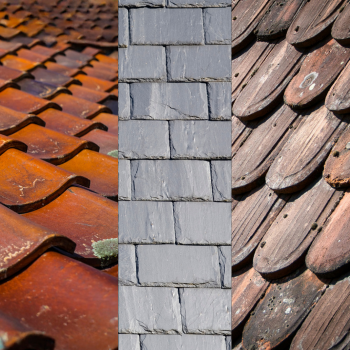
Choosing the Right Roof Tiles for Every Project: Clay, Concrete or Slate?
When planning a new build or roof replacement, one of the most important decisions you’ll make is the choice of roof tile. The right material doesn’t just protect a property from the elements - it defines its character, longevity, and long-term maintenance costs.
Whether you're working on a heritage renovation, a modern housing development, or a countryside extension, understanding the differences between clay, concrete, and slate tiles will help you choose the best solution for every project.
Clay Roof Tiles
Clay tiles have been used in construction for centuries and remain a popular choice for both traditional and contemporary properties.
Benefits of Clay Tiles
- Exceptional durability, often lasting 60–100 years
- Colour retention, natural pigments baked in at high temperatures
- Low maintenance, resistant to fading and corrosion
- Timeless appearance, ideal for period and character properties
When to Choose Clay
Clay is ideal when:
- Working in conservation areas
- Matching existing period roofs
- Long lifespan and aesthetics are priorities
- Budget allows for a premium material
However, clay tiles are generally heavier and more expensive than concrete, so structural capacity and budget should be reviewed early in the design process.
Concrete Roof Tiles
Concrete tiles are one of the most widely specified roofing materials in the UK due to their cost-effectiveness and versatility.
Benefits of Concrete Tiles
- Affordable and excellent value for money
- Strong and durable with a 40–60 year lifespan
- Wide style range, to mimic slate or clay
- Consistent sizing for easier installation on larger developments
When to Choose Concrete
Concrete is ideal when:
- Working on new-build developments
- Managing tighter budgets
- Requiring uniformity across multiple plots
- Seeking lower upfront costs
Over time, concrete tiles may experience some surface weathering or colour variation, particularly in exposed environments.
Natural Slate
For a premium, high-end finish, natural slate remains one of the most desirable roofing materials available.
Benefits of Slate
- Extremely long lifespan of often 100+ years
- Distinctive natural texture
- Highly resistant to weather and fire
- Adds property value and kerb appeal
When to Choose Slate
Slate is ideal when:
- Working on heritage or listed buildings
- Seeking a premium aesthetic
- Long-term durability is a priority
- Planning high-value residential builds
Slate is typically the most expensive option in both material and labour, as it requires skilled installation.
Key Factors to Consider Before Choosing
Regardless of material, always evaluate:
- Project budget
- Roof pitch requirements
- Structural load capacity
- Planning restrictions
- Location and exposure to weather
- Desired lifespan
- Aesthetic goals
Each project is different and the “right” tile is the one that balances performance, cost, and appearance for that specific build.
There’s no one-size-fits-all answer when it comes to roofing materials. Clay offers heritage charm and longevity, concrete provides cost-effective versatility, and slate delivers unmatched natural elegance.
By understanding the strengths of each option, you can confidently specify the right roof tile for every project, ensuring performance, protection, and visual impact for decades to come.
If you’d like help selecting the ideal tile for your next project, speak with your local roofing branch to look at samples and discuss more advice.